
⚠️ This website is an independent archival and editorial project. It is not affiliated with Pull Festival or SpeakEasy Theatre. All references to Pull Festival are presented for historical and informational purposes only.
For nearly a decade, Pull Festival occupied a specific and memorable place in Vancouver’s live arts scene. Running through the 2010s, the festival became known for its focus on short-form theatre, local voices, and informal performance spaces. It was part of a broader moment when audiences and artists alike were looking for alternatives to traditional, full-length productions and conventional theatre hierarchies.
Pull Festival has since paused and is no longer active. No future editions have been announced. What remains, however, is its cultural footprint and the question many former attendees still ask: what came after it?
What Pull Festival Was in Practice
On paper, Pull Festival was simple. In practice, it filled a very specific gap.
First, the format. Ten minutes forced discipline. Writers had to decide what mattered and cut the rest. For audiences, it created a low-risk environment. If a piece didn’t connect, another one followed quickly.
Second, the people. Pull Festival leaned heavily on Vancouver-based artists, many of them early in their careers. Roles weren’t fixed. Someone might act one year, direct the next, and write after that.
Third, the tone. Performances felt informal. There was little separation between artists and audiences. Post-show conversations were part of the experience, even if they happened outside the theatre.
Finally, the structure. Pull was volunteer-run and non-commercial. As one former participant noted in a 2018 local arts podcast interview,
“I couldn’t afford to spend six months on a show that might run for four nights. Pull let me try something, see if it landed, and move on.”
Years, Venues, and People Behind
Between 2010 and 2019, Pull Festival moved between small venues rather than anchoring itself to a single home. That mobility was partly practical and partly philosophical. The festival went where space was available.
Documentation from those years is scattered. Programs existed, but Pull never built a centralized archive. That absence says something about how the festival understood its own lifespan. It wasn’t trying to become an institution.
People involved during those years often describe Pull as a connective space. Artists met collaborators there. Ideas surfaced that later became longer projects elsewhere. The festival itself wasn’t the endpoint.
In that sense, Pull functioned more like a recurring workshop than a showcase.
Its Role in Vancouver’s Live Arts Ecosystem
Pull Festival mattered because it absorbed risk.
Larger festivals often cannot afford uneven results. They have sponsors, ticket targets, and reputational stakes. Pull did not. It allowed incomplete ideas, experiments that failed, and learning in public.
For emerging artists, it provided a low-barrier entry into performance. For audiences, it reduced time and cost commitments. If one piece missed, another followed quickly.
This role is often invisible in funding discussions. A 2022 report from the British Columbia Alliance for Arts + Culture noted that “micro-presenting opportunities” are where many artists test work before moving into larger contexts. Pull Festival fit squarely into that category.
After the Pause, What Changed
Pull Festival paused quietly after 2019. No new editions have been announced since. That timing matters. The pause coincided with broader disruptions, including the pandemic and subsequent shifts in how audiences engage with live performance.
What didn’t happen is replacement. No single festival stepped in to do exactly what Pull did. Instead, different elements of its audience and artistic energy flowed into other platforms.
Where Audiences and Artists Go Today
If Pull Festival represented one response to a specific set of constraints, today’s festivals represent others. None are direct substitutes.
Vancouver Fringe Festival
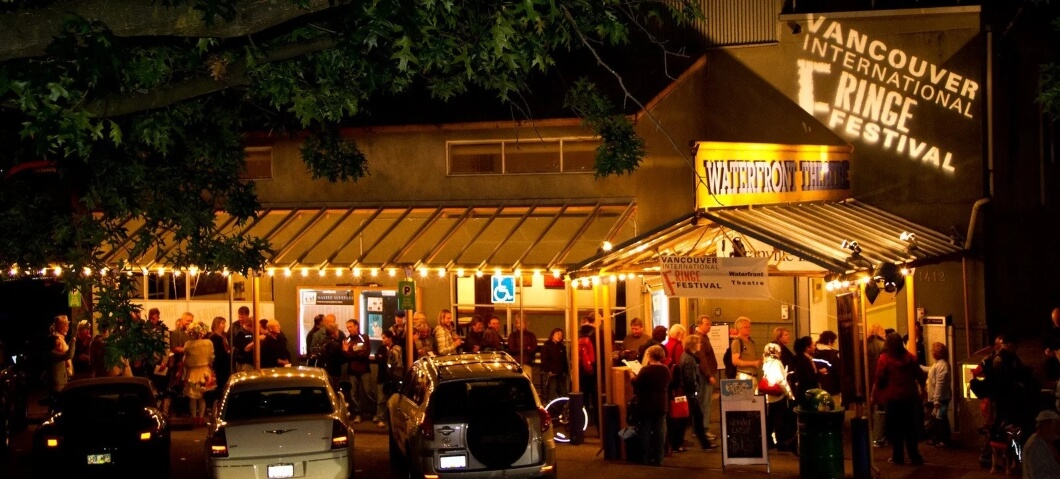
| Year | Details |
|---|---|
| 2025 | Sept 4–14 · 87 shows · 19 venues · Granville Island |
| 2026 | Sept 10–20 · Lottery open · Fringe Presents year-round |
| Tickets | From $20 · vancouverfringe.com |
Founded in 1985, the Vancouver Fringe Festival remains the city’s most visible open-access theatre platform. Artists are selected by lottery rather than curatorial review and retain 100 percent of their ticket revenue.
By 2026, Fringe is no longer limited to September. Its Fringe Presents series runs year-round. In a 2025 statement, the organisation noted
“Artists don’t create on a single annual cycle anymore, and audiences don’t engage with culture that way either.”
PuSh International Performing Arts Festival
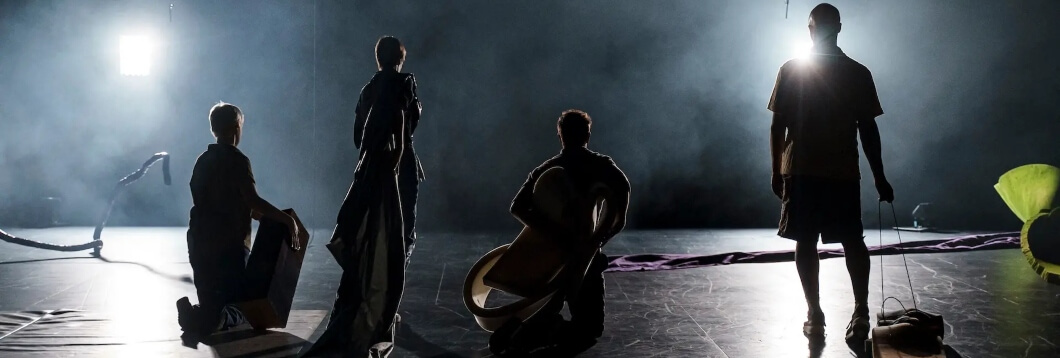
| Year | Details |
|---|---|
| 2025 | Jan 23 – Feb 9 · International & Canadian artists |
| 2026 | Winter · Dates TBA · Industry + In Dialogue programs |
| Access | Ticketed · pushfestival.ca |
Founded in 2003, PuSh is a curated, interdisciplinary festival held each winter. It presents theatre, dance, and hybrid performance from Canadian and international artists.
PuSh also invests heavily in professional development. Programs such as PuSh Industry and In Dialogue for artists and critics aged 25 to 35 reflect long-term planning rather than short-term experimentation.
Artistic Director Gabrielle Martin told The Globe and Mail in 2024,
“PuSh exists to create conditions where risk is supported, but within a framework artists can rely on.”
Theatre BC Mainstage Festival
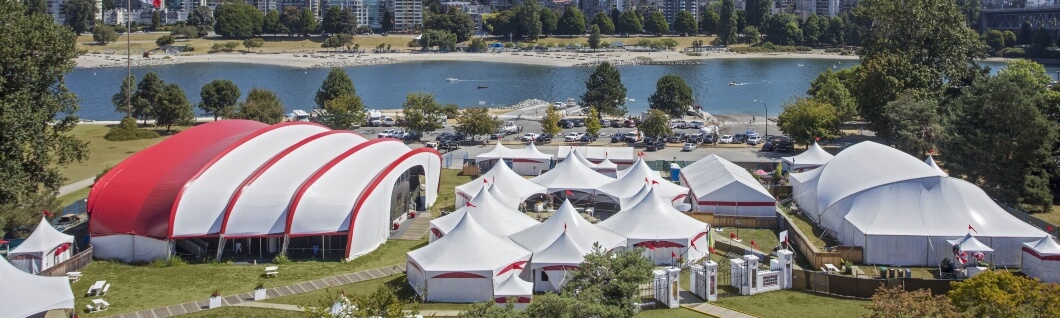
| Year | Details |
|---|---|
| 2025 | Summer · Zone winners · Adjudicated festival |
| 2026 | Summer · Host city TBA · Full-length productions |
| Scope | Province-wide · theatrebc.org |
Theatre BC Mainstage Festival operates at the provincial level. Productions advance through regional zone festivals before appearing at Mainstage, where they receive public adjudication.
Mainstage emphasizes full-length productions, peer review, and education. It rewards endurance and polish rather than speed.
Vancouver International Burlesque Festival
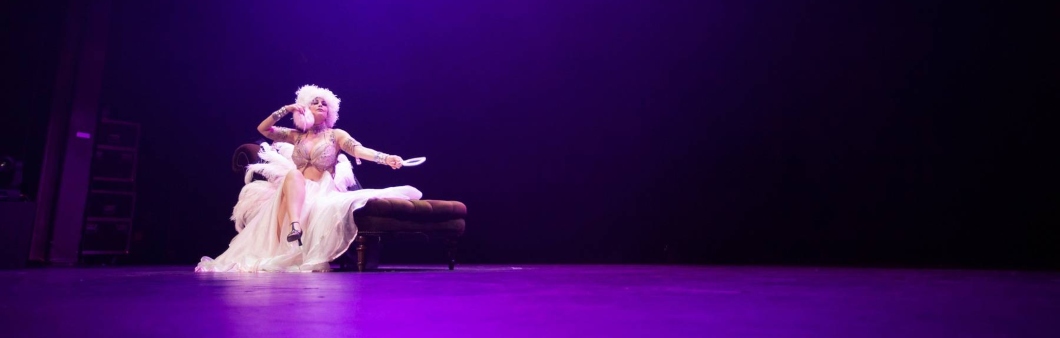
| Year | Details |
|---|---|
| 2025 | Festival held · Vancouver · Burlesque & cabaret |
| 2026 | 20th anniversary year · Dates TBA |
| Access | Ticketed · vibf.ca |
Founded in 2006, the Vancouver International Burlesque Festival is volunteer-run and non-profit. It operates outside traditional theatre but shares similar community dynamics.
Its Fresh Faced Feature highlights performers with fewer than three years of experience. In its published guidelines, the festival states that
“The stage should reflect the full spectrum of bodies and identities shaping burlesque today.”
While the genre differs, the ecosystem feels familiar to anyone who remembers Pull Festival.
Pull Festival as a Chapter, not a Brand
Pull Festival remains an important historical chapter in Vancouver’s live arts story. Its value lies in what it represented at a specific time: accessibility, experimentation, and community-driven theatre.
Today’s scene looks different. It is larger, more fragmented, and more varied in form. Yet the spirit that once defined Pull Festival risk, openness, and local engagement continues to surface in new contexts.
This website is an independent archival project and is not affiliated with Pull Festival, SpeakEasy Theatre, or any currently operating arts organization.